The Heart of Thai Cooking Starts at the Market
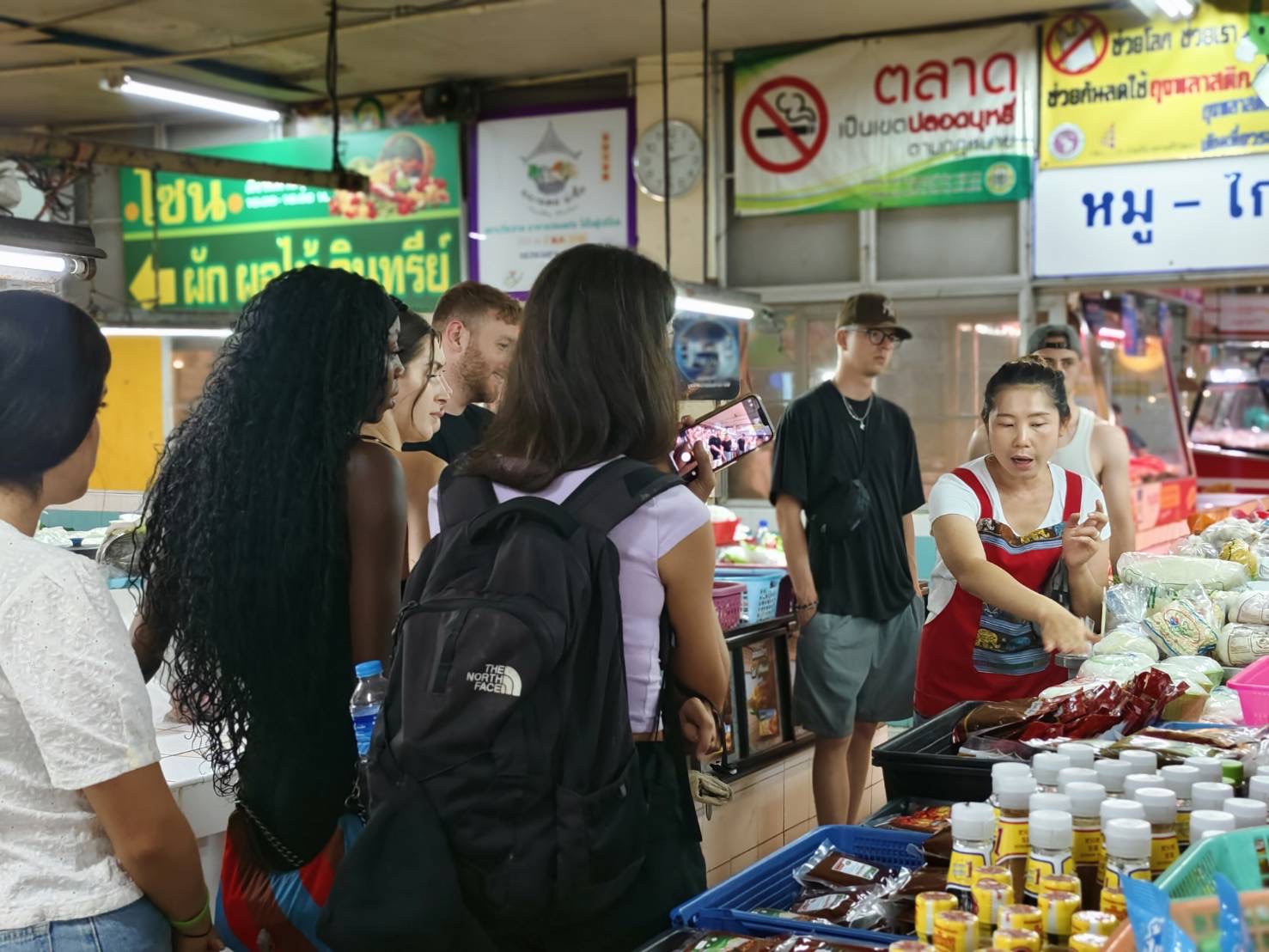
In Thailand, cooking doesn't start in the kitchen — it starts at the market. Every morning, thousands of local markets (ตลาด, *talat*) across Chiang Mai come alive with fresh produce, aromatic herbs, and the sounds of vendors calling out their daily specials.
A market tour is essential for anyone wanting to understand Thai cuisine at its core.
Best Markets to Visit in Chiang Mai
Morning Markets (ตลาดเช้า)
Morning markets are where locals shop for their daily ingredients. They open as early as 5:00 AM and wind down by noon. The atmosphere is authentic and buzzing with energy.
What you'll find:
Fresh vegetables, herbs, and fruitsLive seafood and fresh meatsHandmade curry pastesRice varieties (jasmine, sticky, black)Fresh coconut milk pressed to orderEvening Markets
While more tourist-oriented, evening markets like the Sunday Walking Street offer a different experience with street food, crafts, and cultural performances.
Essential Thai Ingredients to Know
Understanding these ingredients will transform your cooking:
Herbs & Aromatics
Lemongrass (ตะไคร้) — The backbone of Tom Yum and many curriesGalangal (ข่า) — Similar to ginger but with a sharper, more citrusy flavorKaffir Lime Leaves (ใบมะกรูด) — Adds an unmistakable citrus aromaThai Basil (โหระพา) — Sweet and slightly pepperyHoly Basil (กะเพรา) — Spicier, used in stir-fries like Pad KrapaoCurry Paste Ingredients
Dried chilies — The base of all Thai curry pastesShallots and garlic — Essential aromaticsShrimp paste (กะปิ) — Adds umami depthCoriander roots — More flavorful than leavesSauces & Condiments
Fish sauce (น้ำปลา) — The salt of Thai cookingOyster sauce — For stir-friesTamarind paste — Provides sourness in Pad ThaiPalm sugar — Natural sweetnessMarket Etiquette
**Greet vendors with a smile** — A simple "สวัสดีค่ะ/ครับ" (sawasdee) goes a long way**Point and ask** — It's perfectly fine to point at items you're curious about**Bring small bills** — Most vendors don't carry change for large notes**Taste before you buy** — Vendors often offer samples**Bring a reusable bag** — Be environmentally friendlySeasonal Highlights
**March-June:** Mango season — the best mangoes for sticky rice**June-September:** Rambutan, mangosteen, and durian season**November-February:** Cool season vegetables and strawberries**Year-round:** Herbs, spices, and staple ingredientsCombining Market Tours with Cooking Classes
The most rewarding way to experience a Chiang Mai market is as part of a cooking class. Your instructor will:
Navigate you through the market's best stallsExplain ingredients you've never seen beforeShare cultural stories behind Thai cooking traditionsHelp you select the freshest produce for your classThis guided experience transforms a confusing market visit into an educational adventure that deepens your appreciation for Thai cuisine.
What to Bring
Comfortable walking shoesA camera for photosCash (small bills preferred)Sunscreen and a hat for outdoor sectionsAn appetite for new flavors!Want to Learn In Person?
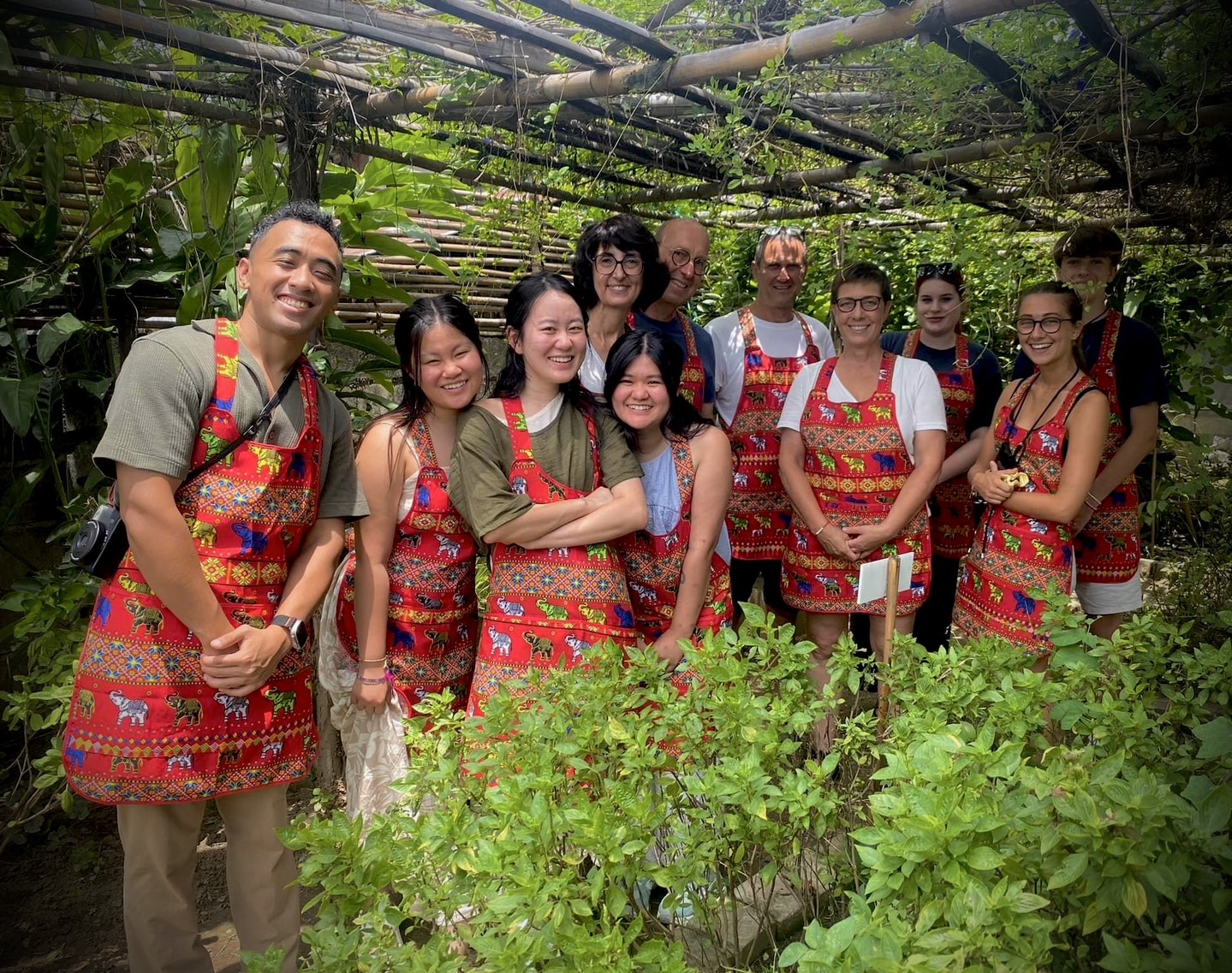
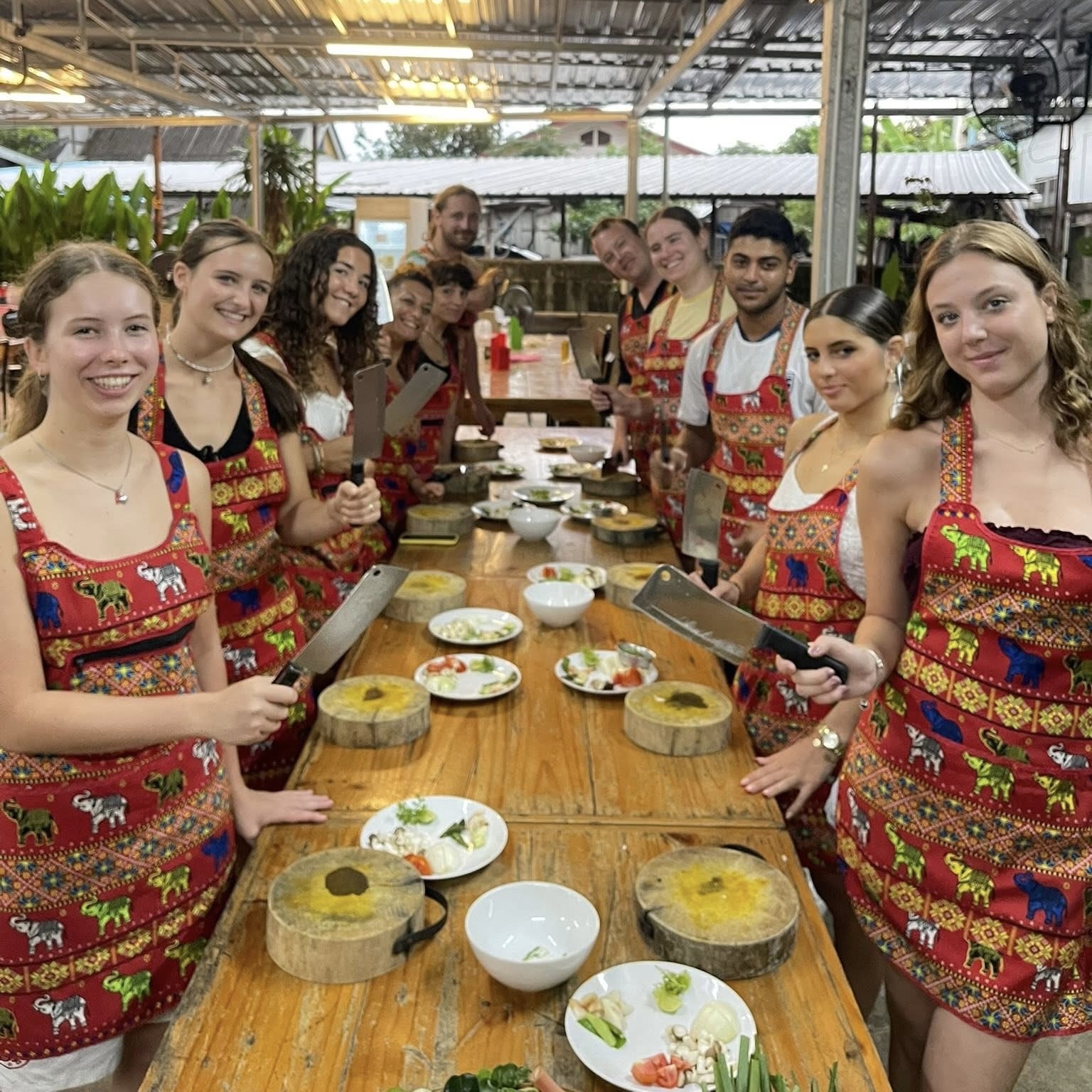
Join our hands-on Thai cooking class in Chiang Mai. Rated 4.9★ by 5,000+ travelers. Market tour, organic herb garden, and authentic recipes included.
Book Your Cooking Class